Audio Engineering Courses
Audio Engineering relates to
Looking to advance your skills in Audio Engineering? We've got you.
Get everything you need to reach your goals in one convenient bundle.
- Top-rated courses
- Popular with learners just like you
- Guidance from real-world experts


Total:
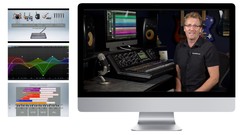

Learn more about Audio Engineering
Next time you listen to a radio broadcast, television show, or piece of music, thank an audio engineer. Audio engineers are responsible for packaging sound into high-quality recordings. This process involves capturing sound and piecing it into a complete audio puzzle through the processes of mixing and mastering.
Frequently asked questions
Audio engineering involves working with sound in a technical sense to mix, record, and/or manage audible content. For instance, an audio engineer who specializes in music will piece together different instruments and vocals in a way that suits the client’s desires. Whether working in a studio or a live setting, audio engineering calls for an in-depth knowledge of both acoustics and the recording equipment being used. This knowledge extends both to the gear engineers personally use during production — mixers, digital audio workstations, rack-mount gear, and so on — as well as gear the performers use, such as microphones and amplifiers. This knowledge is a key component of audio engineering, as it allows for informed decisions on how best to capture and present sound while minimizing common problems like noise, feedback, and other undesired artifacts.